
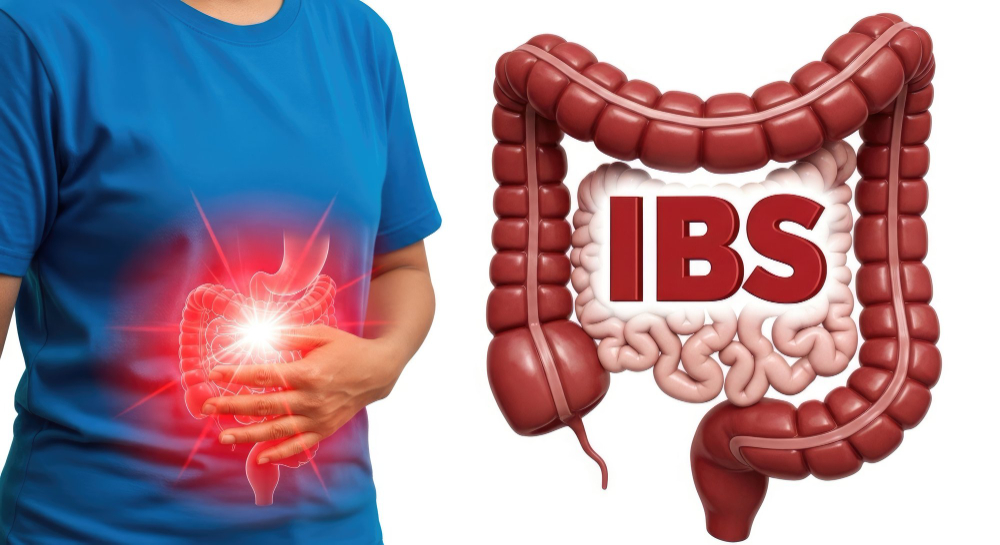
What is IBS?
Irritable Bowel Syndrome, or IBS, is a common digestive health problem. It affects how your gut works. Many people feel stomach pain, bloating, or changes in bathroom habits. According to the World Health Organization, IBS is not dangerous, but it can affect daily life. In many cities and countries, IBS is a leading reason for doctor visits about stomach issues. While IBS does not cause lasting harm, it can be uncomfortable and stressful. For some, symptoms come and go. For others, they may last for months or years. Because IBS is a long-term condition, learning about it can help you manage your health better.
Common Symptoms of IBS
People with IBS often notice a mix of symptoms. However, not everyone has the same signs. Some of the most common IBS symptoms include:
Sometimes, symptoms get worse after eating certain foods. For example, dairy or high-fat meals may trigger problems. Notably, stress can also make symptoms stronger. If you notice these signs often, it is wise to talk to your doctor.
Causes and Risk Factors
Doctors do not know the exact cause of IBS. Still, several things may raise your risk. For instance, changes in gut movement or nerve signals can play a role. Some people have IBS after a stomach infection. Others may notice symptoms after a stressful event. In addition, these risk factors can increase your chance of getting IBS:
Although IBS is not caused by food allergies, certain foods can trigger symptoms. Therefore, keeping a food diary may help you spot patterns.
How IBS is Diagnosed
Doctors use your symptoms to diagnose IBS. There is no single test for IBS. Instead, your doctor will ask about your health, bathroom habits, and any pain. Sometimes, they may do tests to rule out other problems. For example, blood tests or stool checks can help find infections or other diseases. In some cases, your doctor may suggest a colonoscopy. This test looks inside your gut to make sure nothing else is wrong. Usually, if your symptoms match IBS and tests are normal, you will get an IBS diagnosis. Early diagnosis can help you start IBS treatment sooner.
Treatment Options for IBS
There is no cure for IBS, but many treatments can help. Your doctor may suggest different options based on your symptoms. For example, common IBS treatment choices include:
Sometimes, you may need to try a few treatments to find what works best. Because everyone is different, your plan may change over time. Always talk to your doctor before starting new medicines or supplements.
Lifestyle Tips for Managing IBS
Simple changes can make a big difference in managing irritable bowel syndrome. For instance, you can try these tips to help control IBS symptoms:
Additionally, talking with a dietitian can help you find the best foods for your body. In some locations, support groups are available for people with IBS. These groups can offer advice and comfort.
Preventing IBS Flare-Ups
Although IBS cannot always be prevented, you can lower your risk of flare-ups. First, try to avoid foods that make your symptoms worse. Next, manage stress with healthy habits. For example, regular sleep and exercise can help keep your gut calm. Also, do not skip meals, as this can upset your stomach. If you travel or eat out often, plan ahead to choose safe foods. In some cities, local foods may have spices or ingredients that trigger IBS. Therefore, ask about dishes before you eat. By staying aware of your body and making small changes, you can help prevent IBS symptoms from getting worse.