
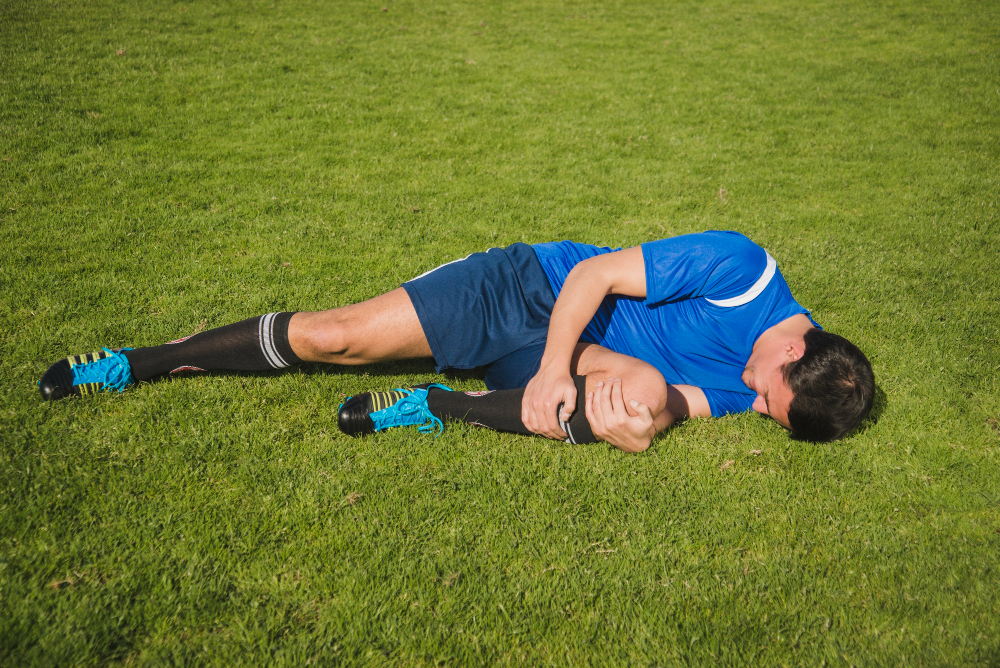
Sports injuries in middle age are more common than many people think. As adults reach their 40s and beyond, staying active is important for health. However, the risk of injury can increase with age. For this reason, knowing how to prevent and manage these injuries is key. This guide will help you understand common injuries, causes, and how to stay safe while enjoying sports and exercise.
Common Sports Injuries in Middle Age
Many middle-aged adults enjoy sports like tennis, running, or cycling. Yet, certain injuries tend to happen more often in this age group. For example, muscle strains and joint sprains are frequent. Additionally, tendon injuries can occur, especially in the shoulder, elbow, or Achilles tendon. Knee injuries, such as meniscus tears, are also common. Sometimes, overuse can lead to stress fractures or joint pain. Knowing these risks can help you stay alert and take action early.
Causes and Risk Factors
There are several reasons why sports injuries in middle age are more likely. First, muscles and joints lose some strength and flexibility with age. Also, past injuries can make certain areas weaker. Sometimes, adults try to do too much too soon, which can lead to harm. In addition, not warming up or using poor technique increases risk. Even wearing the wrong shoes can play a role. For those with health conditions like arthritis, the risk may be higher.
Recognizing Symptoms Early
Early detection of sports injuries in middle age can help prevent serious problems. For example, pain that does not go away after rest may signal an injury. Swelling, bruising, or trouble moving a joint are also warning signs. Sometimes, you may hear a pop or snap at the time of injury. If you notice numbness or weakness, it is important to act quickly. In many cases, catching symptoms early leads to faster recovery.
Diagnosis and When to See a Doctor
Sometimes, rest and home care are enough for minor injuries. However, you should see a doctor if pain is severe or does not improve. If you cannot put weight on a limb, seek help right away. In addition, sudden swelling, deformity, or loss of function are signs to visit a clinic. Doctors may use X-rays or MRI scans to check for broken bones or torn tissues. Early diagnosis can help prevent long-term problems. According to the CDC, prompt care improves outcomes for most sports injuries.
Effective Treatment Options
Treatment depends on the type and severity of the injury. For many mild injuries, the R.I.C.E. method works well. This stands for Rest, Ice, Compression, and Elevation. Over-the-counter pain relievers can help reduce pain and swelling. Sometimes, physical therapy is needed to restore strength and movement. In rare cases, surgery may be required for serious injuries. Always follow your doctor’s advice for the best results.
Prevention Tips: Staying Active Without Injury
Preventing sports injuries after 40 is possible with smart habits. First, always warm up before exercise. Stretching helps keep muscles flexible. Next, increase activity levels slowly. Do not try to match your younger self overnight. In addition, use proper gear and shoes for your sport. Learning the right technique can also lower your risk. For middle-aged athlete injury prevention, listen to your body and rest when needed. Safe exercise tips for adults include cross-training and taking regular breaks.
Lifestyle Guidance for Recovery and Long-Term Health
After an injury, recovery is just as important as prevention. For example, follow your treatment plan and attend all therapy sessions. In addition, keep a healthy weight to reduce stress on joints. Staying active with low-impact activities, like swimming or walking, can help. Over time, building strength and flexibility lowers your risk of future injuries. The World Health Organization recommends regular exercise for adults, but always within your limits. Remember, patience and consistency are key for long-term health.
In summary, sports injuries in middle age can be managed and often prevented. With the right steps, you can stay active and healthy for years to come. Consult an orthopedic specialist at KHADKE HOSPITAL AND HEALTHCARE PVT.LTD for personalized advice on preventing and managing sports injuries in middle age.