
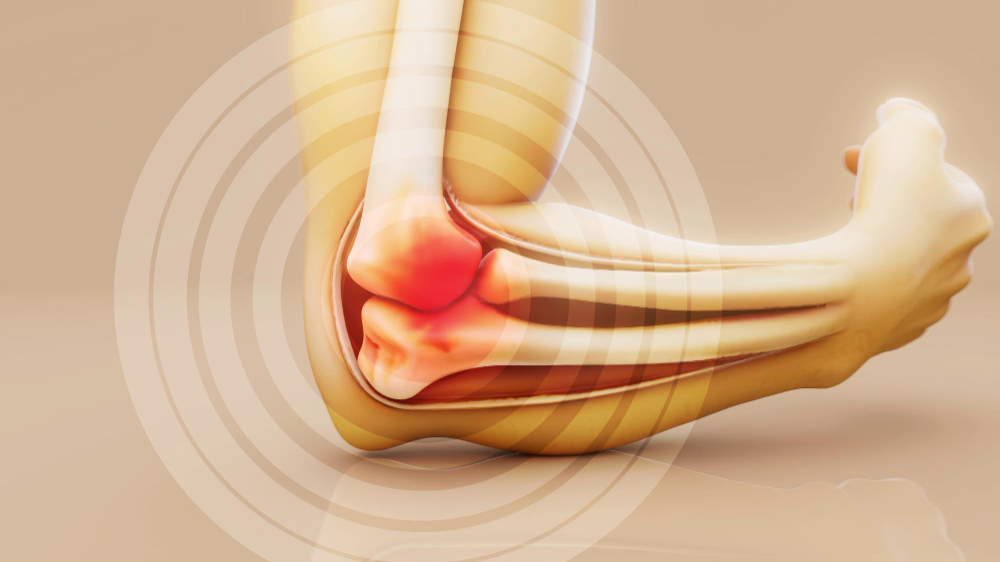
What is Synovial Chondromatosis?
Synovial chondromatosis is a rare orthopedic condition that affects the joints. It happens when the lining of a joint, called the synovium, grows small lumps of cartilage. These lumps are known as cartilage nodules. Over time, some nodules may break off and float inside the joint. As a result, people often notice joint swelling and pain. Although this condition can affect any joint, it most often appears in the knee, hip, or elbow. According to the World Health Organization, synovial chondromatosis is not cancerous, but it can still cause discomfort and limit movement.
Causes of Synovial Chondromatosis
Doctors are still learning about the exact causes of synovial chondromatosis. However, several factors may play a role. For example, the condition may develop without a clear reason, which is called primary synovial chondromatosis. In other cases, it can result from another joint problem, such as arthritis or injury. This is known as secondary synovial chondromatosis. While the exact cause remains unclear, experts believe that changes in the joint lining may trigger the growth of cartilage nodules.
Common Symptoms
Many people with synovial chondromatosis notice symptoms slowly. At first, signs may be mild. But over time, they can become more noticeable. For instance, joint swelling is a common early sign. In addition, people may feel pain or stiffness in the affected joint. Sometimes, you might hear clicking or feel a catching sensation when moving the joint. Because the cartilage nodules can block movement, the joint may not bend or straighten fully.
How Synovial Chondromatosis is Diagnosed
Doctors use several steps to diagnose synovial chondromatosis. First, they ask about your symptoms and medical history. Next, they examine the affected joint for swelling or tenderness. Because many joint pain causes can look similar, doctors often order imaging tests. For example, X-rays can show loose cartilage nodules inside the joint. Sometimes, doctors use MRI or CT scans for a clearer picture. In rare cases, a sample of joint fluid or tissue may be tested to rule out other conditions. The Centers for Disease Control and Prevention (CDC) recommends seeing a specialist, such as an orthopedic doctor, for a full diagnosis.
Treatment Options
Treatment for synovial chondromatosis depends on your symptoms and how much the joint is affected. In mild cases, doctors may suggest rest and pain medicine. However, if symptoms are severe or the joint does not move well, surgery may be needed. During surgery, doctors remove the loose cartilage nodules and sometimes part of the joint lining. This helps reduce pain and improve movement. Physical therapy is often recommended after surgery to restore strength and flexibility. For those seeking treatment options in your area, local orthopedic clinics can provide more information.
Living with Synovial Chondromatosis
Living with synovial chondromatosis can be challenging, but many people manage symptoms well. With proper care, most people return to normal activities after treatment. However, it is important to watch for any new symptoms, such as joint swelling or pain. Because the condition can sometimes return, regular check-ups with your doctor are helpful. Staying active, stretching, and following your treatment plan can make a big difference. For ongoing support, some people find it helpful to join local or online groups for those with orthopedic conditions.
Prevention and Risk Reduction
Currently, there is no known way to prevent synovial chondromatosis. Since the cause is not fully understood, prevention tips focus on general joint health. For example, protecting your joints from injury can help reduce the risk of many joint problems. In addition, staying active and maintaining a healthy weight can support joint function. While you cannot always avoid orthopedic conditions, early treatment of joint pain causes may help limit long-term problems. If you notice lasting joint swelling or pain, it is wise to seek medical advice quickly.
Conclusion
If you have joint pain or swelling that does not go away, KHADKE HOSPITAL AND HEALTHCARE PVT.LTD. is here to help. Schedule a visit with our orthopedic team to discuss your treatment options.